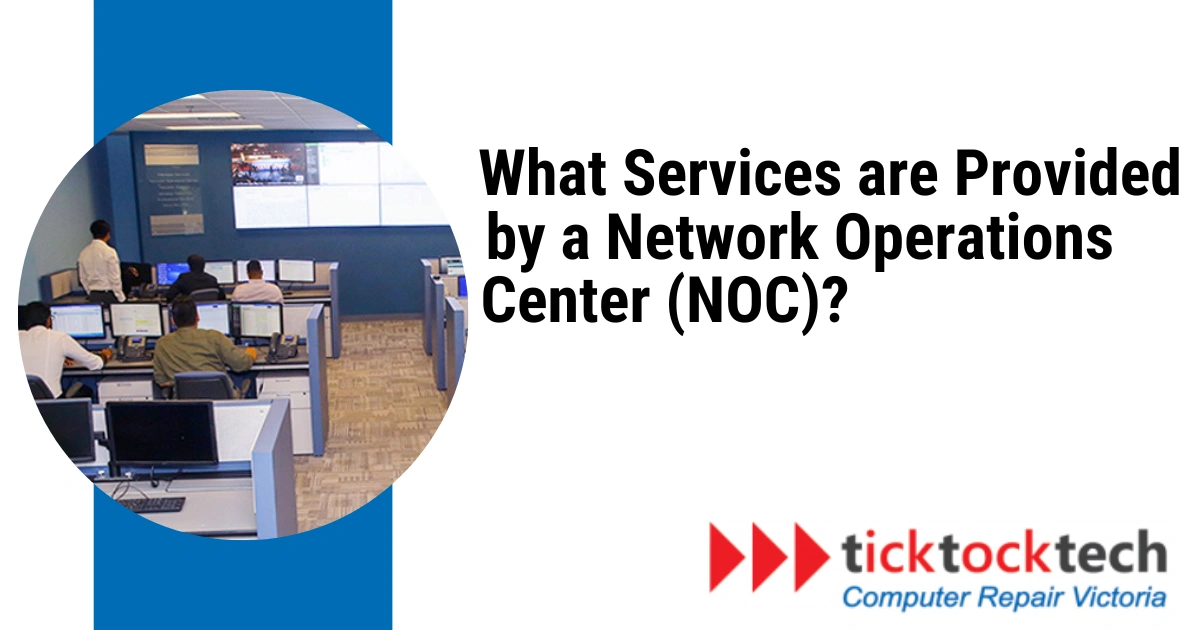
A Network Operations Center (NOC) plays a crucial role in ensuring the smooth and uninterrupted functioning of an organization’s IT infrastructure. It is a centralized hub for monitoring, managing, and maintaining networks, servers, and other critical components. It is the nerve center for overseeing network performance, security, and overall reliability. The NOC also serves as the first line of defense against network disruptions and failures.
NOCs assist enterprises in managing their complex networking environments, which include servers, databases, firewalls, devices, and related external services. Depending on the company’s demands, the IT infrastructure may be on-premises or with a cloud-based provider. The primary goal of a NOC is to ensure uninterrupted network operations and swift issue resolution. Additionally, we will explore the various services aNetwork Operations Center provides, highlighting its significance in the modern business landscape.
1. Network monitoring and management
Network monitoring is at the core of NOC services. NOC specialists use advanced monitoring tools to keep a vigilant eye on the organization’s network infrastructure. It includes tracking network traffic bandwidth usage and identifying potential issues such as bottlenecks or unusual activity. The continuous monitoring allows them to identify potential problems promptly and take proactive measures to prevent downtime.
2. Incident response and troubleshooting
When anomalies or issues are detected through monitoring, the NOC is responsible for initiating an incident response. It involves identifying the root cause of the problem and implementing solutions to mitigate its impact. Quick and effective incident response is crucial for minimizing downtime and maintaining the network’s overall health.
3. Performance optimization
NOC teams optimize network performance for efficient and seamless operations. It includes fine-tuning configurations, optimizing resource allocation, and implementing best practices to enhance overall network efficiency. Continuous performance analysis helps in identifying areas for improvement and implementing necessary adjustments.
4. Server Management
NOC specialists also oversee server management, ensuring servers operate optimally. It includes monitoring server health, managing updates and patches, and troubleshooting server-related issues. A well-maintained server infrastructure is essential for the reliability of applications and services.
5. Security monitoring and threat response
Security is a top priority for any organization, and NOCs play a critical role in maintaining a secure network environment. They monitor for suspicious activities, implement security protocols, and respond to potential threats promptly. This proactive approach helps prevent data breaches and ensure sensitive information’s confidentiality.
6. Routine maintenance and updates
To ensure the network’s long-term health and prevent unexpected failures, NOC teams carry out routine maintenance tasks. It includes software updates, patches, and firmware upgrades to network devices. By staying current with the latest software versions and security patches, NOCs help mitigate potential vulnerabilities and ensure the network’s stability. Also, this proactive approach minimizes the risk of system failures and data loss.

7. Alerts and notifications
NOC specialists receive real-time alerts and reports from various monitoring tools. These alerts help them stay informed about potential issues, allowing for quick response and resolution. Additionally, notifications are crucial for maintaining the reliability and availability of IT services.
8. Capacity planning
To ensure scalability and optimal performance, NOCs engage in capacity planning. It involves analyzing current usage patterns and forecasting future needs. By staying ahead of capacity requirements, organizations can avoid performance degradation during periods of high demand. Also, proactive approach helps prevent performance bottlenecks and ensures a scalable and resilient network.
9. Documentation and reporting
NOCs maintain detailed documentation of network configurations, incident reports, and resolutions. This documentation serves as a valuable resource for future troubleshooting and helps in the analysis of trends and patterns. Additionally, NOCs generate regular reports to keep stakeholders informed about the health and performance of the IT infrastructure.
10. 24/7 monitoring and support
One of the most critical aspects of NOC services is the round-the-clock monitoring and support. Network issues can arise at any time, and having a dedicated team available 24/7 ensures that problems are addressed promptly, minimizing downtime and reducing the impact on business operations. This continuous vigilance is essential for businesses with a global presence or those that rely heavily on uninterrupted network operations.
11. Communication and Collaboration
Effective communication is crucial in managing network operations. NOC personnel collaborate with IT teams, vendors, and stakeholders to address issues efficiently. Clear communication channels are established to relay information about incidents, resolutions, and ongoing maintenance activities. Additionally, collaboration ensures a coordinated effort to maintain the integrity and functionality of the network.
12. Disaster recovery planning
Lastly, NOCs play a pivotal role in disaster recovery planning. They develop and implement strategies to recover from unexpected events, such as natural disasters or cyberattacks. It involves creating backup systems, establishing recovery protocols, and conducting drills to ensure preparedness for any potential disruptions.
How NOCs work
NOCs monitor complex networking environments, including servers, databases, firewalls, devices, and related external services, directly collaborating with organizations. Depending on the demands of the business, the IT infrastructure may be housed on-site or with a cloud-based provider.

Normally, NOCs function in a tiered manner. The severity of an incident is ranked from one to three, where one represents the least severe event (evaluating alarms from infrastructure equipment), and three represents the most profound event (ransomware attack or network failure). A professional with more experience will take over if they cannot fix a problem quickly. Also, NOC engineers troubleshoot issues as they come up and search for solutions to avoid future network outages and connectivity problems.
Some businesses run their own NOC, with the infrastructure and operations hub situated on the company’s premises, frequently inside the data center. However, for some companies, this task is delegated to an outside party with expertise in network and infrastructure management and monitoring.
Conclusion
A Network Operations Center (NOC) is the backbone of an organization’s IT infrastructure. Through continuous monitoring, incident response, and proactive management, NOCs contribute to networks’ reliability, security, and efficiency. The diverse services provided by NOCs are essential for businesses aiming to maintain a competitive edge in the ever-evolving digital landscape. As technology continues to advance, the role of NOCs will remain critical in ensuring the seamless operation of complex network environments.
FAQs
The primary function of a NOC is to ensure the smooth and uninterrupted operation of an organization’s IT systems by monitoring, responding to incidents, optimizing performance, and maintaining security.
NOCs handle incident response by identifying and addressing the root cause of issues detected through monitoring. Quick and effective incident response minimizes downtime and maintains overall network health.
A NOC provides network monitoring services, including tracking traffic bandwidth usage and identifying potential issues such as bottlenecks or unusual activity to maintain optimal network performance.
Building an in-house NOC requires careful planning, proper infrastructure, and skilled personnel. Before doing so, you want to do a careful analysis of your client’s needs, business goals, network requirements, and budget to ensure you have the right tools, staff, and space to create your NOC.
The two primary responsibilities at the NOC are event management and monitoring. Traffic analysis, network configuration management, fault detection and response, diagnosis, and maintenance are other tasks carried out at the NOC. Some NOCs are employed to keep an eye on security-related occurrences.


![Best Internet and Wifi Options for RV Living [2024 Uodate]](https://ticktocktech.com/wp-content/uploads/2026/01/Best-Internet-and-Wifi-Options-for-RV-Living-1.webp)